FUTUREMATIQUE
IT. Progetto di ricerca e agitazione territoriale all’incrocio tra paesaggio, natura e cultura. Consigliamo fortemente la visione del film.
EN. Ongoing research project and territorial agitation at the intersection of landscape, nature and culture. It’s highly suggested to watch the full movie.
FR. Projet de recherche et agitation territoriale à l'intersection du paysage, de la nature et de la culture. Nous vous conseillons fortément de regarder la vidéo.
EN. Ongoing research project and territorial agitation at the intersection of landscape, nature and culture. It’s highly suggested to watch the full movie.
FR. Projet de recherche et agitation territoriale à l'intersection du paysage, de la nature et de la culture. Nous vous conseillons fortément de regarder la vidéo.
Full movie







IT
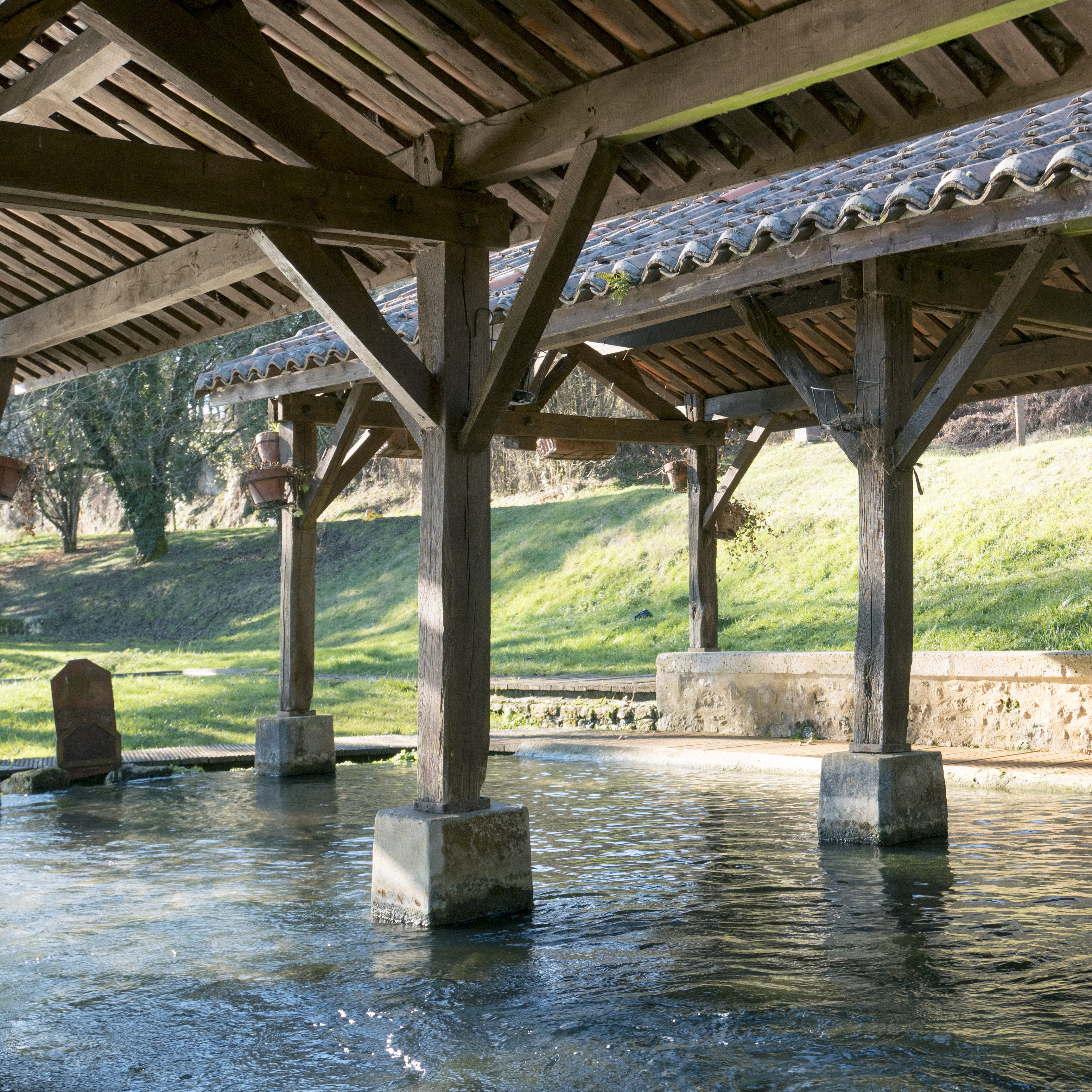
La Dordogna conta più di trecento lavatoi pubblici. La maggior parte fu costruita nel diciannovesimo secolo, quando lo stato decise che le strutture di lavanderia comunale erano una questione di salute pubblica. La maggior parte è ora vuota, che lentamente ritorna al paesaggio. FUTUREMATIQUE è iniziato seguendo l'acqua — lungo i fiumi, attraverso le foreste, da un lavatoio all'altro — e chiedendo cosa custodiscano ancora queste strutture.
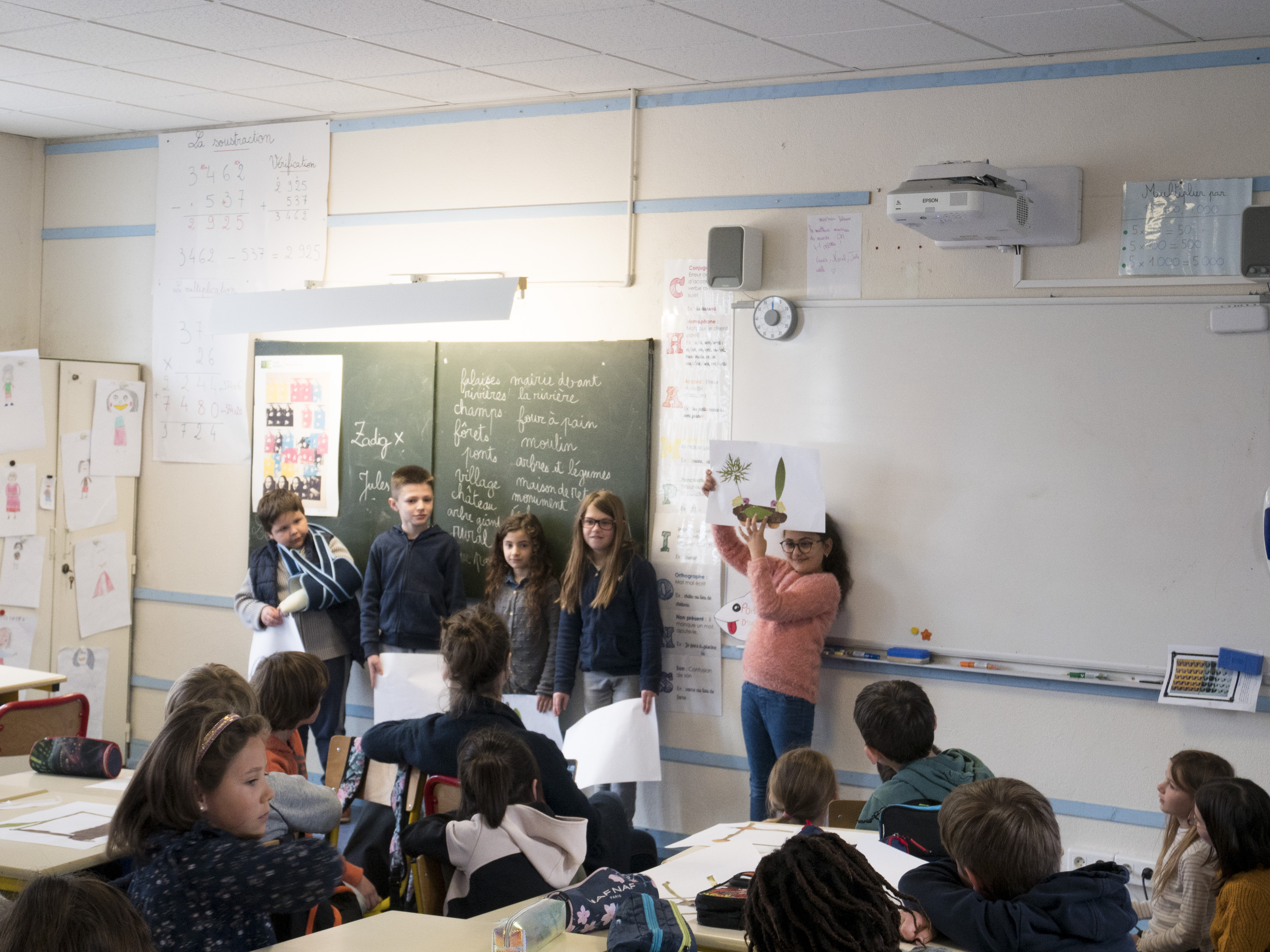
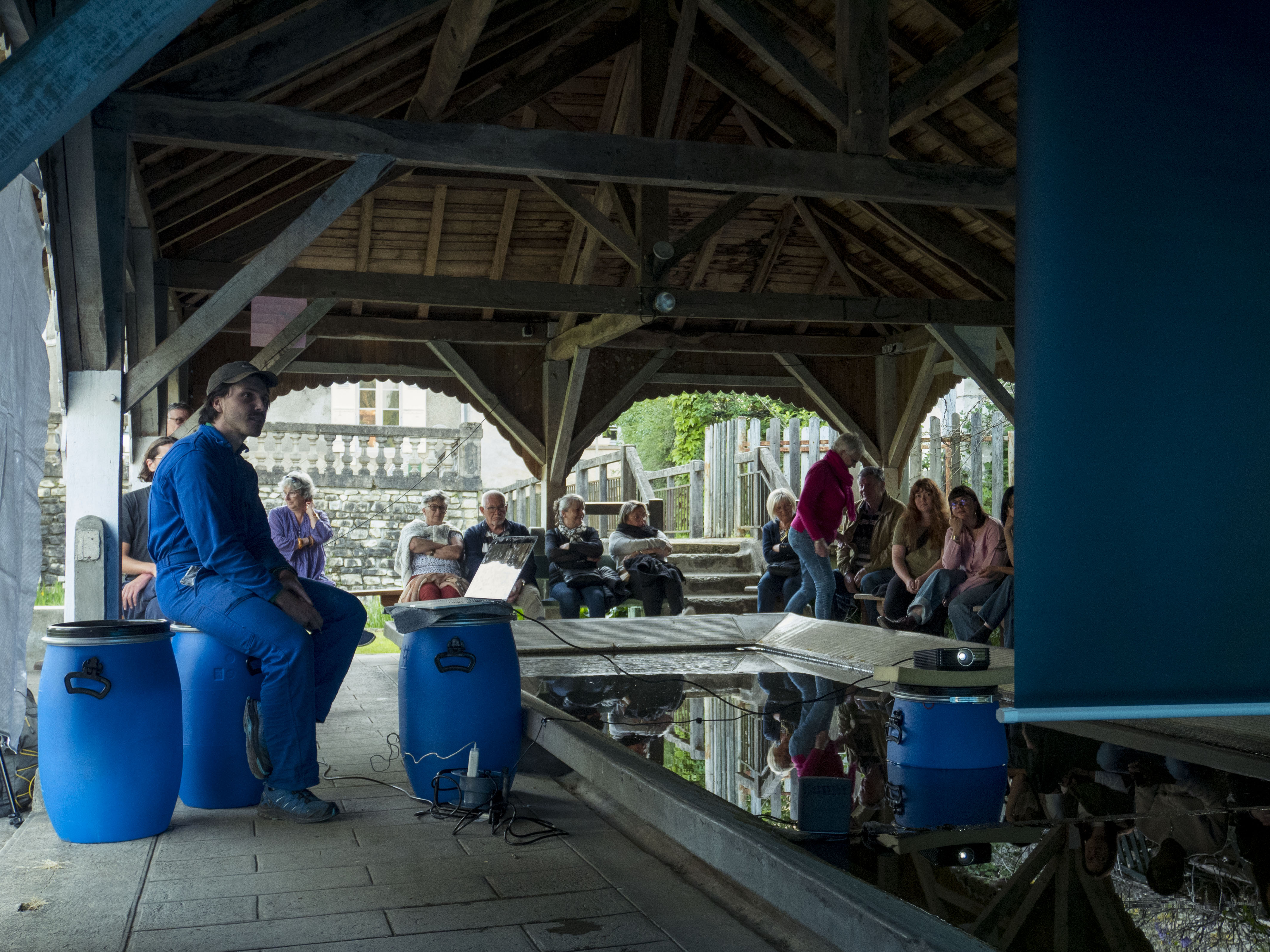
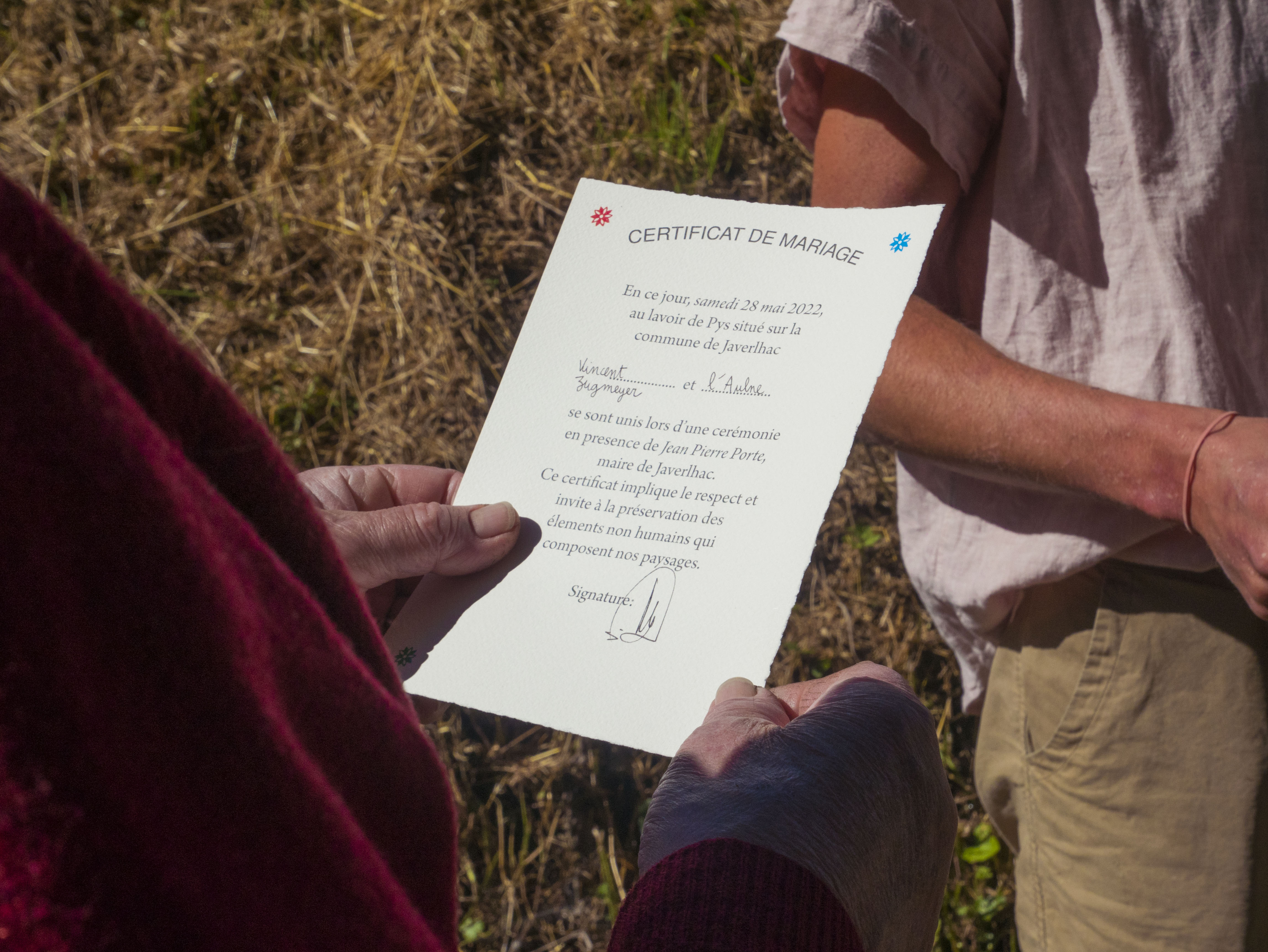
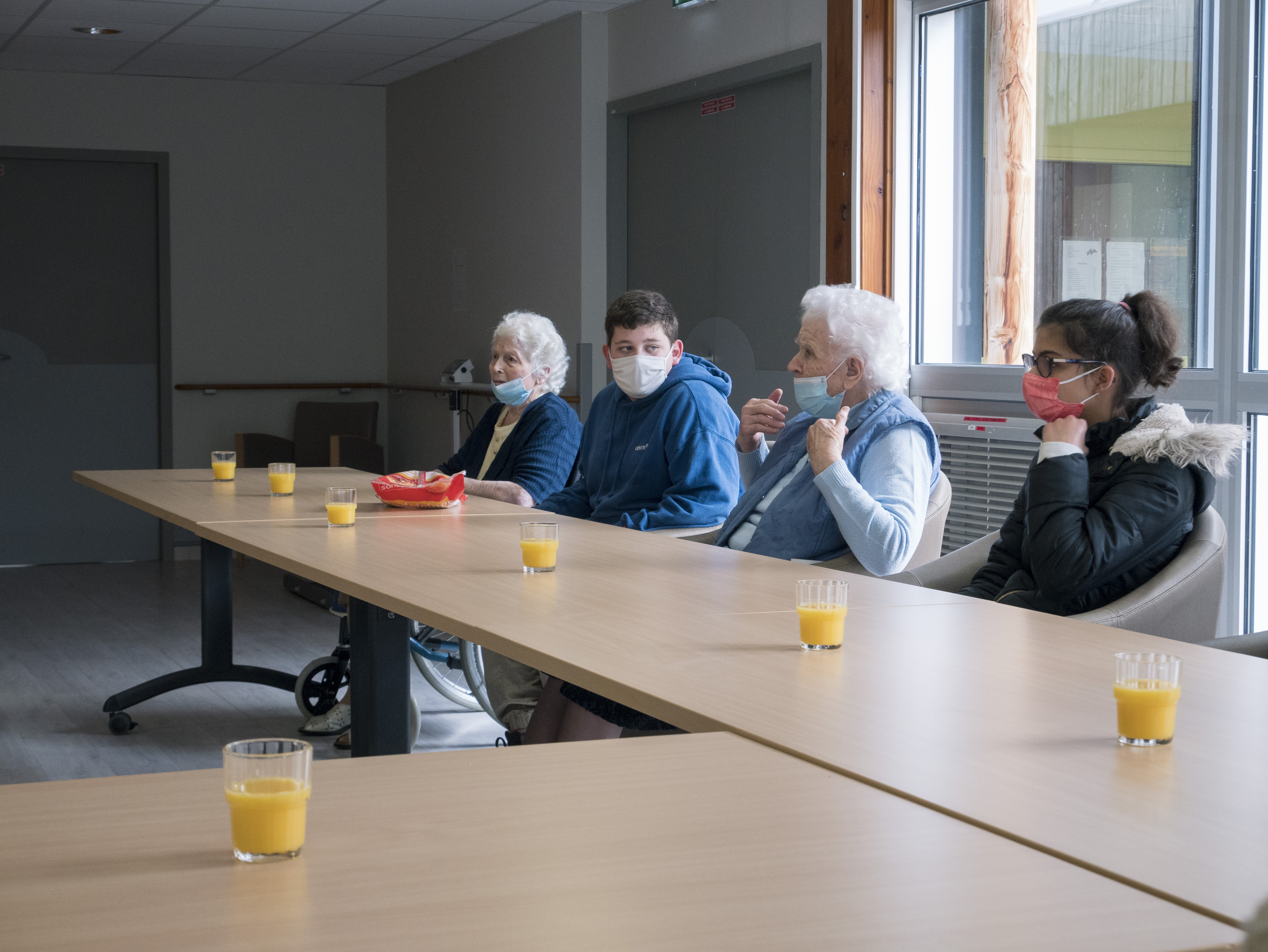
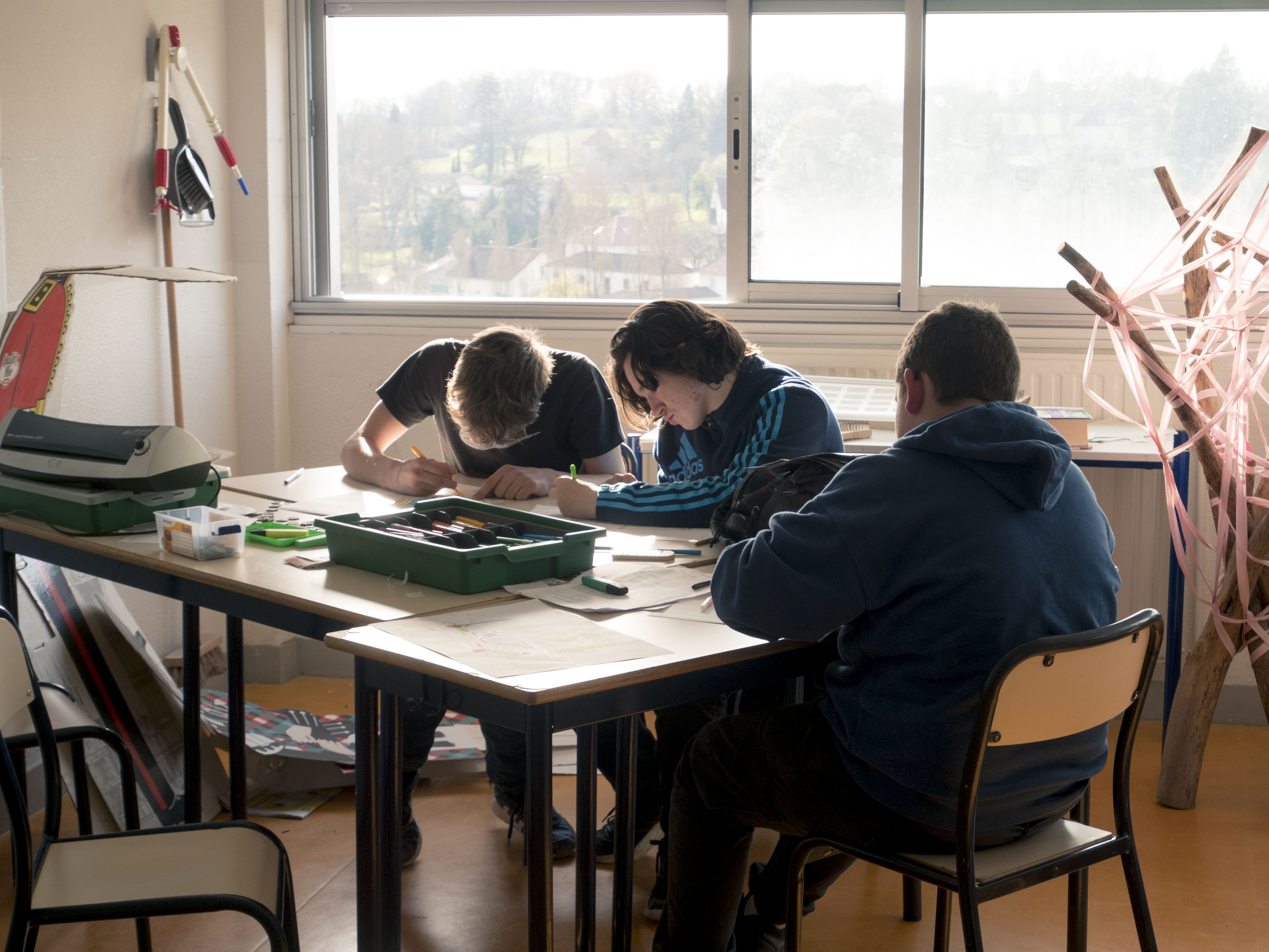
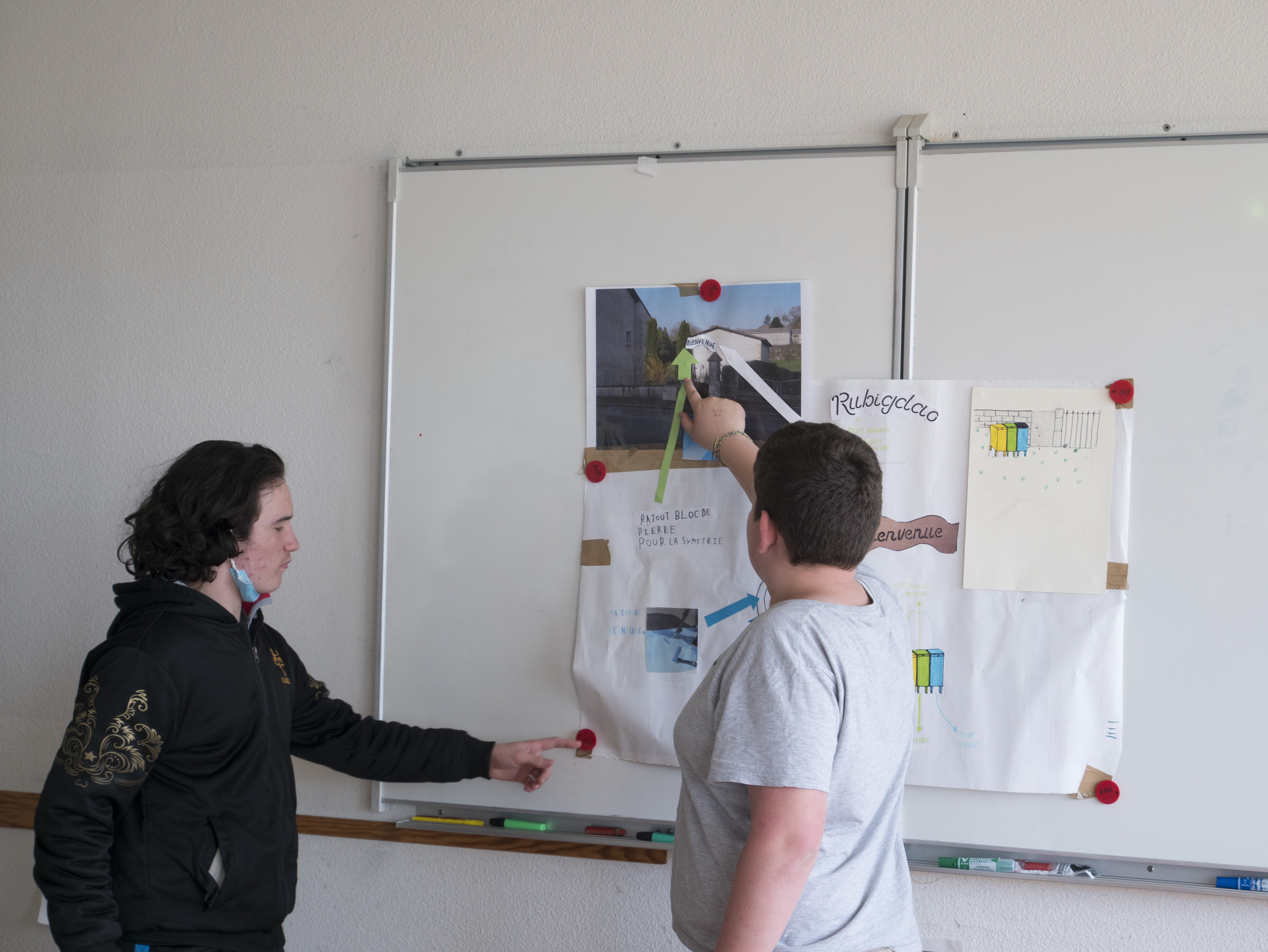
Il progetto ha preso la forma di un micro-festival distribuito su sei lavatoi nell'area di Nontron. Circa centoventi persone hanno partecipato ai suoi eventi: laboratori, discussioni, performance, momenti collettivi costruiti attorno a siti specifici. Un film documenta il processo, le domande, gli scambi che ha prodotto.
Ha cambiato la governance dell'acqua? No — la legislazione sull'acqua si decide a livello europeo, lontano da qualsiasi lavatoio della Dordogna. Quello che ha fatto è più lento e forse più duraturo: ha reso visibili i legami sensibili tra persone, luoghi e ambiente costruito che si accumulano nel corso delle generazioni e scompaiono senza che ce ne accorgiamo. I lavatoi sono ancora vuoti. Le conversazioni che hanno ospitato, brevemente, no.
La Dordogna conta più di trecento lavatoi pubblici. La maggior parte fu costruita nel diciannovesimo secolo, quando lo stato decise che le strutture di lavanderia comunale erano una questione di salute pubblica. La maggior parte è ora vuota, che lentamente ritorna al paesaggio. FUTUREMATIQUE è iniziato seguendo l'acqua — lungo i fiumi, attraverso le foreste, da un lavatoio all'altro — e chiedendo cosa custodiscano ancora queste strutture.
Il progetto ha preso la forma di un micro-festival distribuito su sei lavatoi nell'area di Nontron. Circa centoventi persone hanno partecipato ai suoi eventi: laboratori, discussioni, performance, momenti collettivi costruiti attorno a siti specifici. Un film documenta il processo, le domande, gli scambi che ha prodotto.
Ha cambiato la governance dell'acqua? No — la legislazione sull'acqua si decide a livello europeo, lontano da qualsiasi lavatoio della Dordogna. Quello che ha fatto è più lento e forse più duraturo: ha reso visibili i legami sensibili tra persone, luoghi e ambiente costruito che si accumulano nel corso delle generazioni e scompaiono senza che ce ne accorgiamo. I lavatoi sono ancora vuoti. Le conversazioni che hanno ospitato, brevemente, no.
FR
La Dordogne compte plus de trois cents lavoirs publics. La plupart ont été construits au XIXe siècle, quand l'État a décidé que les installations de lavanderie communale étaient une question de santé publique. La plupart sont aujourd'hui vides, retournant lentement au paysage. FUTUREMATIQUE a commencé en suivant l'eau — le long des rivières, à travers les forêts, d'un lavoir à l'autre — en demandant ce que ces structures contiennent encore.
Le projet a pris la forme d'un micro-festival réparti sur six lavoirs dans la région de Nontron. Environ cent vingt personnes ont participé à ses événements : ateliers, discussions, performances, moments collectifs construits autour de sites spécifiques. Un film documente le processus, les questions, les échanges qu'il a produits.
A-t-il changé la gouvernance de l'eau ? Non — la législation sur l'eau se décide au niveau européen, loin de tout lavoir en Dordogne. Ce qu'il a fait est plus lent et peut-être plus durable : il a rendu visibles les liens sensibles entre les personnes, les lieux et l'environnement bâti qui s'accumulent au fil des générations et disparaissent sans qu'on s'en aperçoive. Les lavoirs sont toujours vides. Les conversations qu'ils ont accueillies, brièvement, ne le sont pas.
La Dordogne compte plus de trois cents lavoirs publics. La plupart ont été construits au XIXe siècle, quand l'État a décidé que les installations de lavanderie communale étaient une question de santé publique. La plupart sont aujourd'hui vides, retournant lentement au paysage. FUTUREMATIQUE a commencé en suivant l'eau — le long des rivières, à travers les forêts, d'un lavoir à l'autre — en demandant ce que ces structures contiennent encore.
Le projet a pris la forme d'un micro-festival réparti sur six lavoirs dans la région de Nontron. Environ cent vingt personnes ont participé à ses événements : ateliers, discussions, performances, moments collectifs construits autour de sites spécifiques. Un film documente le processus, les questions, les échanges qu'il a produits.
A-t-il changé la gouvernance de l'eau ? Non — la législation sur l'eau se décide au niveau européen, loin de tout lavoir en Dordogne. Ce qu'il a fait est plus lent et peut-être plus durable : il a rendu visibles les liens sensibles entre les personnes, les lieux et l'environnement bâti qui s'accumulent au fil des générations et disparaissent sans qu'on s'en aperçoive. Les lavoirs sont toujours vides. Les conversations qu'ils ont accueillies, brièvement, ne le sont pas.
EN
The Dordogne has more than three hundred public wash houses. Most were built in the nineteenth century, when the state decided that communal laundry facilities were a matter of public health. Most are now empty, slowly returning to the landscape. FUTUREMATIQUE began by following water — along rivers, through forests, from one lavoir to the next — and asking what these structures still hold.
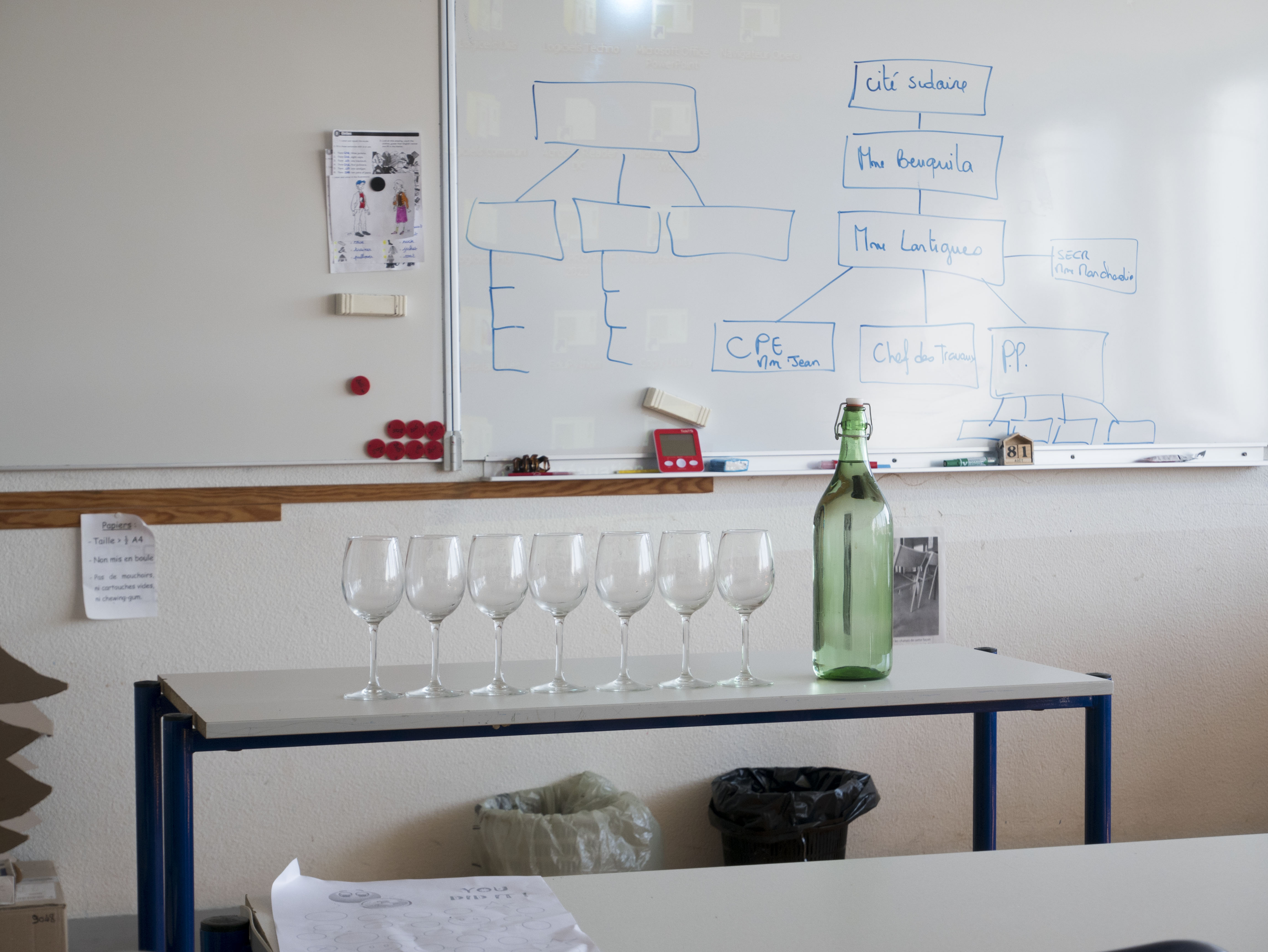
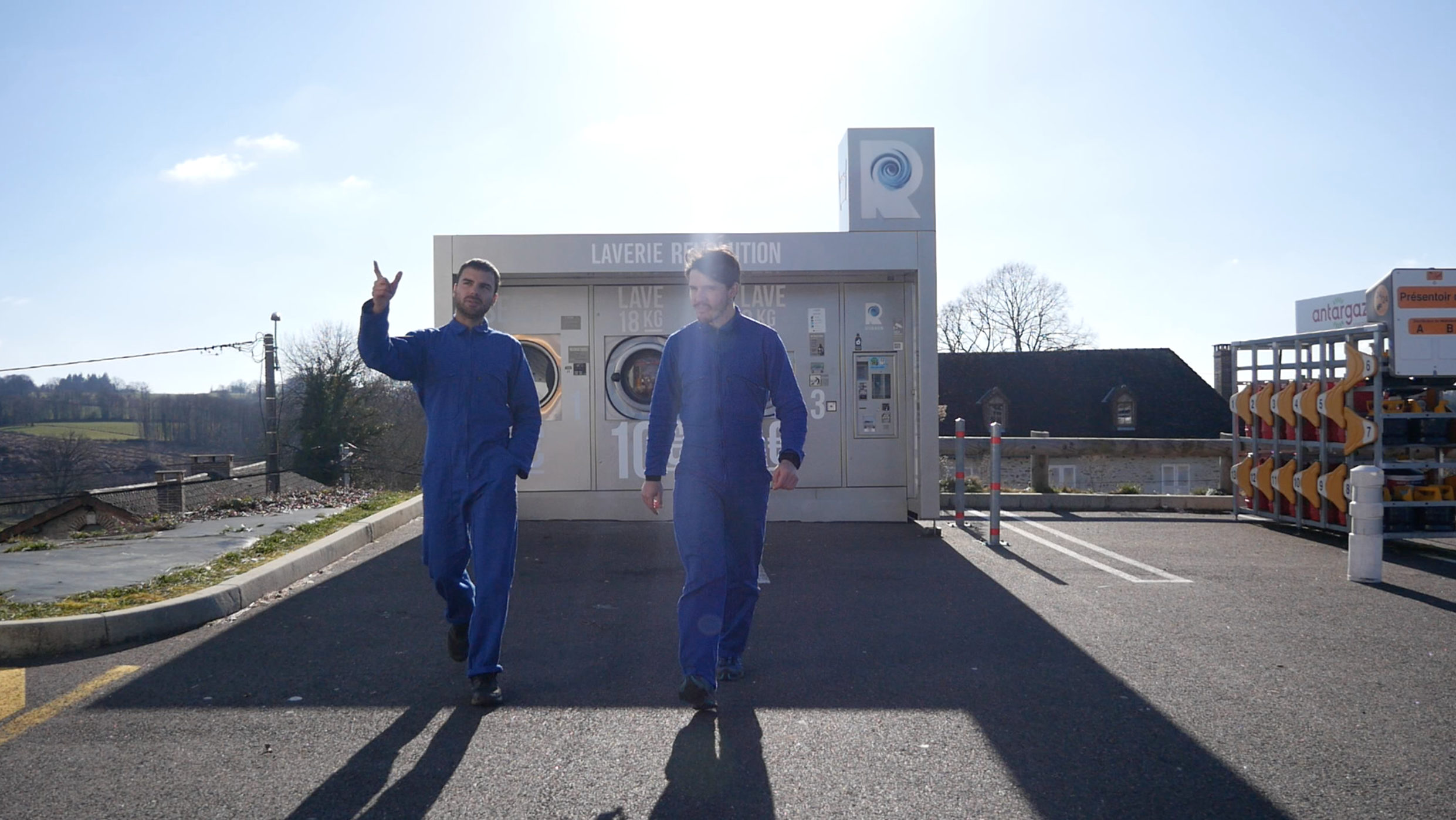
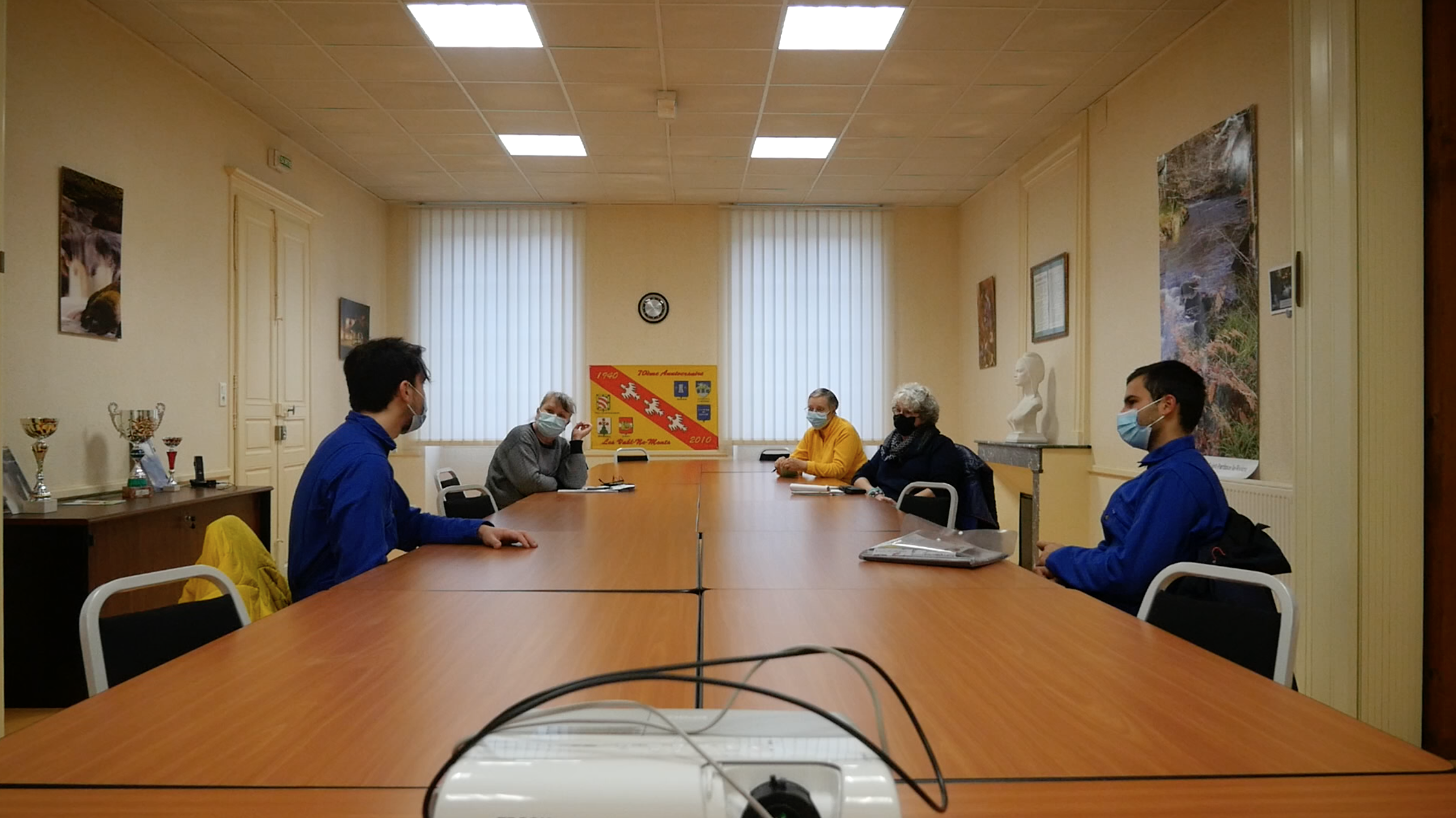
The project took the form of a micro-festival spread across six wash houses in the Nontron area. Approximately one hundred and twenty people participated across its events: workshops, discussions, performances, collective moments built around specific sites. A film documents the process, the questions, the exchanges it produced.
Did it change water governance? No — water legislation is decided at a European level, far from any lavoir in the Dordogne. What it did was slower and perhaps more durable: it made visible the sensible connections between people, place and built environment that accumulate over generations and disappear without notice. The wash houses are still empty. The conversations they held, briefly, are not.
The Dordogne has more than three hundred public wash houses. Most were built in the nineteenth century, when the state decided that communal laundry facilities were a matter of public health. Most are now empty, slowly returning to the landscape. FUTUREMATIQUE began by following water — along rivers, through forests, from one lavoir to the next — and asking what these structures still hold.
The project took the form of a micro-festival spread across six wash houses in the Nontron area. Approximately one hundred and twenty people participated across its events: workshops, discussions, performances, collective moments built around specific sites. A film documents the process, the questions, the exchanges it produced.
Did it change water governance? No — water legislation is decided at a European level, far from any lavoir in the Dordogne. What it did was slower and perhaps more durable: it made visible the sensible connections between people, place and built environment that accumulate over generations and disappear without notice. The wash houses are still empty. The conversations they held, briefly, are not.